🏠📚 Back to School Checklist! 📚🏠As the back-to-school season approaches, it's time to get everything in order for a smooth transition. Here’s a fun checklist to make sure your home
Dated: December 8 2022
Views: 39
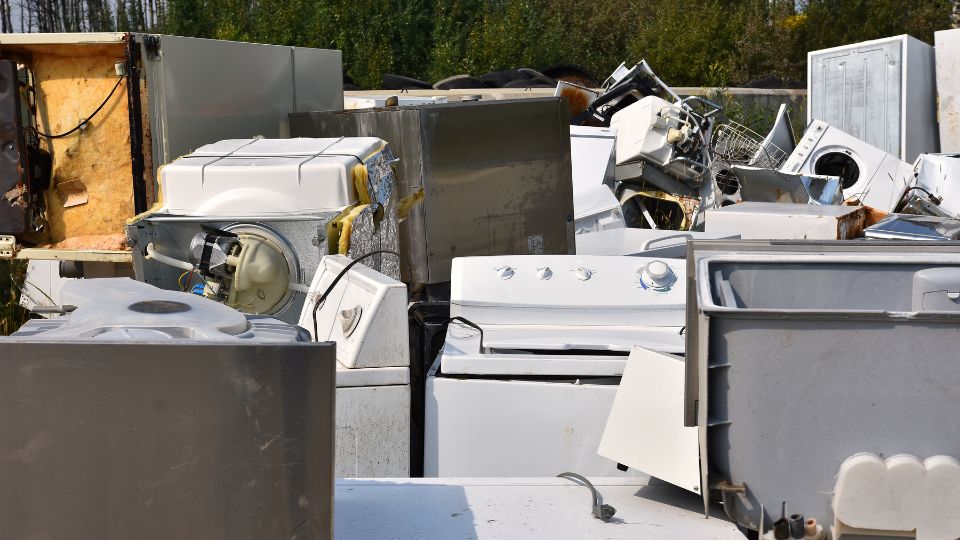
It seems like everything these days is built to fall apart. From electronics that become outdated within a few years to clothes that fall apart after a few washes, it seems like the things we buy are not made to last like they used to be. What happened? And what does this mean for us as consumers?
A Shift in Values
One of the biggest changes we've seen in recent decades is a shift in values. In the past, people tended to value durability and quality over convenience and price. Today, however, we live in a world of disposable income and instant gratification. We want what we want when we want it, and we're often not willing to wait or pay more for something that will last longer.
This change in values has had a big impact on the way manufacturers make and market their products. In order to appeal to today's consumers, companies are focused on making products that are cheaper and easier to replace. As a result, we're left with a lot of cheaply made products that don't stand the test of time.
The Consequences of Our Throwaway Culture
Of course, there are consequences to this throwaway culture. For one thing, it's bad for the environment. The more products we toss out, the more waste we create. And oftentimes, these products cannot be recycled or reused, further adding to the problem.
What's more, this disposability also takes a toll on our wallet. Sure, it might be cheaper to buy a new t-shirt than have an old one repaired—but over time, those small expenses add up. If we're constantly having to replace our belongings, we're going to end up spending a lot more money in the long run.
There must be a better way...right?
Fortunately, there are some companies out there that are bucking the trend and making products that are built to last . Companies like Patagonia and Everlane are focused on making products with high-quality materials that will stand up over time . While these companies might charge a bit more upfront , their products will save you money in the long run because you won't have to keep replacing them .
Additionally , these companies often have policies in place that help reduce waste . For example , Patagonia offers free repairs for life so that customers can extend the life of their clothing . And Everlane only produces as much product as they can sell so that there's no excess inventory or wasted materials. Patagonia also announced “the earth is now our only shareholder” after transferring the company’s ownership from founder Yvon Chouinard and his family to two nonprofits established to fight climate change.
Products today are not built to last like they used to be—but there are companies out there who are bucking this trend. By choosing to support businesses that focus on quality over quantity , you can save money and help reduce waste .

Paul was born in Barrie and raised on military bases around the world. Living a bit of a nomad lifestyle through the military, Paul has a solid understanding of what is required to picking up and mov....
🏠📚 Back to School Checklist! 📚🏠As the back-to-school season approaches, it's time to get everything in order for a smooth transition. Here’s a fun checklist to make sure your home
As the festive lights twinkle and the world wraps itself in the glittery allure of Christmas, there’s a profound warmth that goes beyond the physical trappings of the season. It's a warmth
Navigating the world of real estate can sometimes feel like trekking through a maze. With various processes, protocols, and terminologies, it's common for potential buyers and sellers to have
Selling a home isn't just a financial decision; it's an emotional journey. A house is more than just brick and mortar; it's a repository of memories, a testament to the years gone by, and a symbol
 Toronto Real Estate Board (TRREB); All information deemed reliable but not guaranteed. All properties are subject to prior sale, change or withdrawal. Neither listing broker(s) or information provider(s) shall be responsible for any typographical errors, misinformation, misprints and shall be held totally harmless. Listing(s) information is provided for consumer's personal, non-commercial use and may not be used for any purpose other than to identify prospective properties consumers may be interested
in purchasing. The data relating to real estate for sale on this website comes in part from the Internet Data Exchange program of the Multiple Listing Service. Real estate listings held by brokerage firms other than Wes Ayranto Team may be marked with the Internet Data Exchange logo and detailed information about those properties will include the name of the listing broker(s) when required by the MLS. Copyright ©2026 All rights reserved.
Last Updated: September 22, 2026 1:21 PM UTC
Show More...
Toronto Real Estate Board (TRREB); All information deemed reliable but not guaranteed. All properties are subject to prior sale, change or withdrawal. Neither listing broker(s) or information provider(s) shall be responsible for any typographical errors, misinformation, misprints and shall be held totally harmless. Listing(s) information is provided for consumer's personal, non-commercial use and may not be used for any purpose other than to identify prospective properties consumers may be interested
in purchasing. The data relating to real estate for sale on this website comes in part from the Internet Data Exchange program of the Multiple Listing Service. Real estate listings held by brokerage firms other than Wes Ayranto Team may be marked with the Internet Data Exchange logo and detailed information about those properties will include the name of the listing broker(s) when required by the MLS. Copyright ©2026 All rights reserved.
Last Updated: September 22, 2026 1:21 PM UTC
Show More...
 Data provided by the Ontario Regional Technology & Information Systems. The information is deemed reliable, but is not guaranteed. Not intended to solicit buyers or sellers, landlords or tenants currently under contract.
The trademarks REALTOR®, REALTORS® and the REALTOR® logo are controlled by The Canadian Real Estate Association (CREA) and identify real estate professionals who are members of CREA. The trademarks MLS®, Multiple Listing Service® and the associated logos are owned
by CREA and identify the quality of services provided by real estate professionals who are members of CREA. Used under license.
REALTOR® contact information provided to facilitate inquiries from consumers interested in Real Estate services. Please do not contact the website owner with unsolicited commercial offers.
Show More...
Data provided by the Ontario Regional Technology & Information Systems. The information is deemed reliable, but is not guaranteed. Not intended to solicit buyers or sellers, landlords or tenants currently under contract.
The trademarks REALTOR®, REALTORS® and the REALTOR® logo are controlled by The Canadian Real Estate Association (CREA) and identify real estate professionals who are members of CREA. The trademarks MLS®, Multiple Listing Service® and the associated logos are owned
by CREA and identify the quality of services provided by real estate professionals who are members of CREA. Used under license.
REALTOR® contact information provided to facilitate inquiries from consumers interested in Real Estate services. Please do not contact the website owner with unsolicited commercial offers.
Show More...
 All information deemed reliable but not guaranteed. All properties are subject to prior sale, change or withdrawal. Neither listing broker(s) or information provider(s) shall be responsible for any typographical errors, misinformation, misprints and shall be held totally harmless. Listing(s) information is provided for consumer's personal, non-commercial use and may not be used for any purpose other than to identify prospective properties consumers may be interested in purchasing. The data relating
to real estate for sale on this website comes in part from the Internet Data Exchange program of the Multiple Listing Service. Real estate listings held by brokerage firms other than Wes Ayranto Team may be marked with the Internet Data Exchange logo and detailed information about those properties will include the name of the listing broker(s) when required by the MLS. Copyright ©2026 All rights reserved.
Last Updated: September 22, 2026 9:34 AM UTC
Show More...
All information deemed reliable but not guaranteed. All properties are subject to prior sale, change or withdrawal. Neither listing broker(s) or information provider(s) shall be responsible for any typographical errors, misinformation, misprints and shall be held totally harmless. Listing(s) information is provided for consumer's personal, non-commercial use and may not be used for any purpose other than to identify prospective properties consumers may be interested in purchasing. The data relating
to real estate for sale on this website comes in part from the Internet Data Exchange program of the Multiple Listing Service. Real estate listings held by brokerage firms other than Wes Ayranto Team may be marked with the Internet Data Exchange logo and detailed information about those properties will include the name of the listing broker(s) when required by the MLS. Copyright ©2026 All rights reserved.
Last Updated: September 22, 2026 9:34 AM UTC
Show More...
 All information deemed reliable but not guaranteed. All properties are subject to prior sale, change or withdrawal. Neither listing broker(s) or information provider(s) shall be responsible for any typographical errors, misinformation, misprints and shall be held totally harmless. Listing(s) information is provided for consumer's personal, non-commercial use and may not be used for any purpose other than to identify prospective properties consumers may be interested in purchasing. The data relating
to real estate for sale on this website comes in part from the Internet Data Exchange program of the Multiple Listing Service. Real estate listings held by brokerage firms other than Wes Ayranto Team may be marked with the Internet Data Exchange logo and detailed information about those properties will include the name of the listing broker(s) when required by the MLS. Copyright ©2026 All rights reserved.
Last Updated: September 22, 2026 2:12 PM UTC
Show More...
All information deemed reliable but not guaranteed. All properties are subject to prior sale, change or withdrawal. Neither listing broker(s) or information provider(s) shall be responsible for any typographical errors, misinformation, misprints and shall be held totally harmless. Listing(s) information is provided for consumer's personal, non-commercial use and may not be used for any purpose other than to identify prospective properties consumers may be interested in purchasing. The data relating
to real estate for sale on this website comes in part from the Internet Data Exchange program of the Multiple Listing Service. Real estate listings held by brokerage firms other than Wes Ayranto Team may be marked with the Internet Data Exchange logo and detailed information about those properties will include the name of the listing broker(s) when required by the MLS. Copyright ©2026 All rights reserved.
Last Updated: September 22, 2026 2:12 PM UTC
Show More...